
Built Into the Product. Built to Last.
In-mold labeling is everywhere—and for good reason.
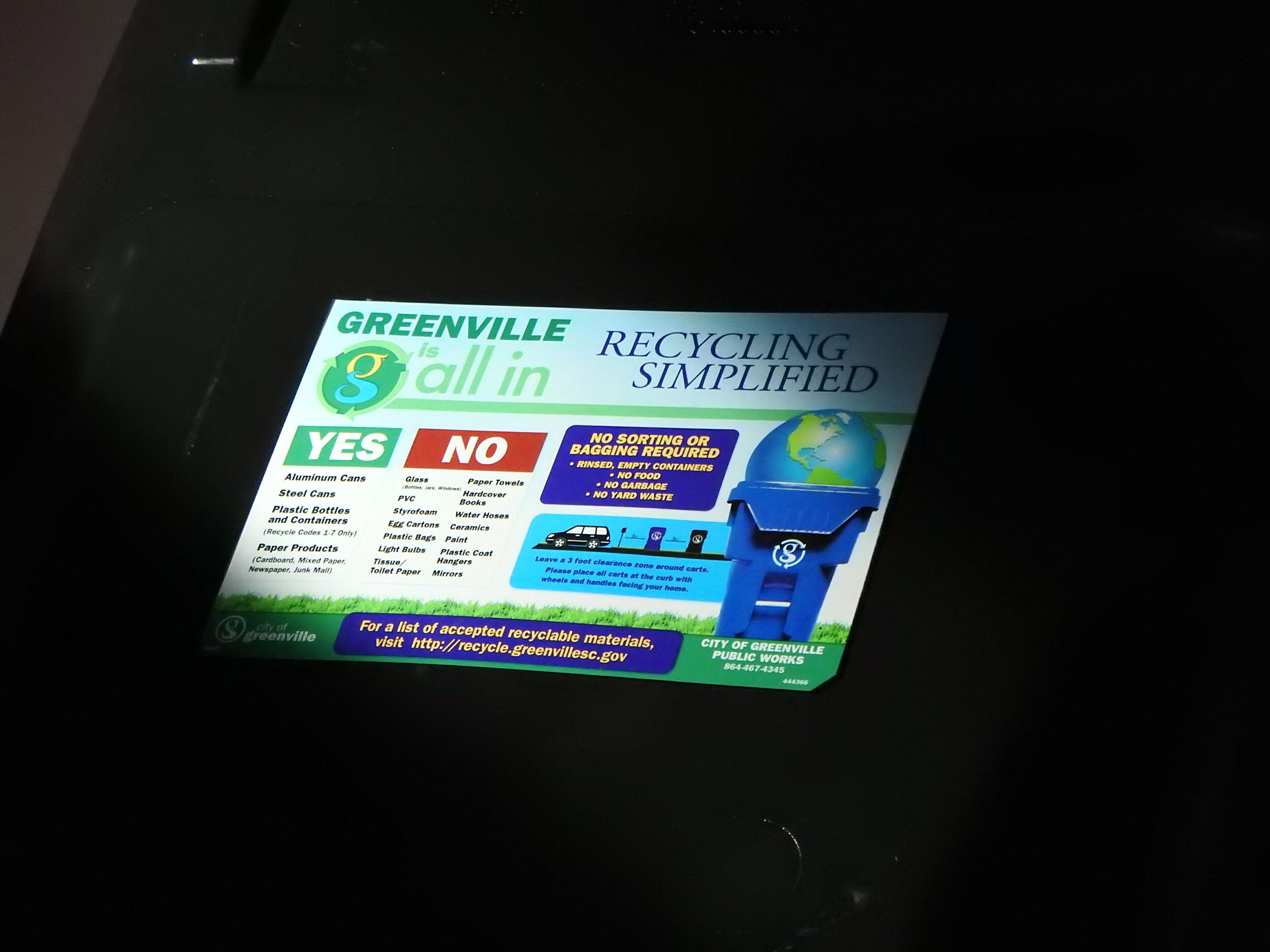
You see it on everyday items like shampoo bottles, yogurt cups, and butter tubs. But it doesn’t stop there. More durable applications include sharps disposal containers, recycling cart lids, and heavy-duty storage bins.
What started as a packaging solution has evolved into a powerful branding method for long-lasting, injection-molded products.
Proven Process. Growing Impact.
Over the past 30 years, in-mold labeling has steadily expanded into more demanding industries. As manufacturers look for durability, efficiency, and design consistency, IML continues to gain traction.
While it requires an upfront investment in tooling and setup, the payoff is significant:
Seamless, indestructible branding built directly into your product.
Our most popular solutions utilize polyolefin and polypropylene-based materials, engineered specifically for injection molding environments.
Built for Injection-Molded Products.
Our customers use in-mold labeling across a wide range of applications:
Recycling containers
Buckets & storage bins
Outdoor furniture
Lawn & garden equipment
Pest extermination
If it’s injection molded—IML can elevate it.
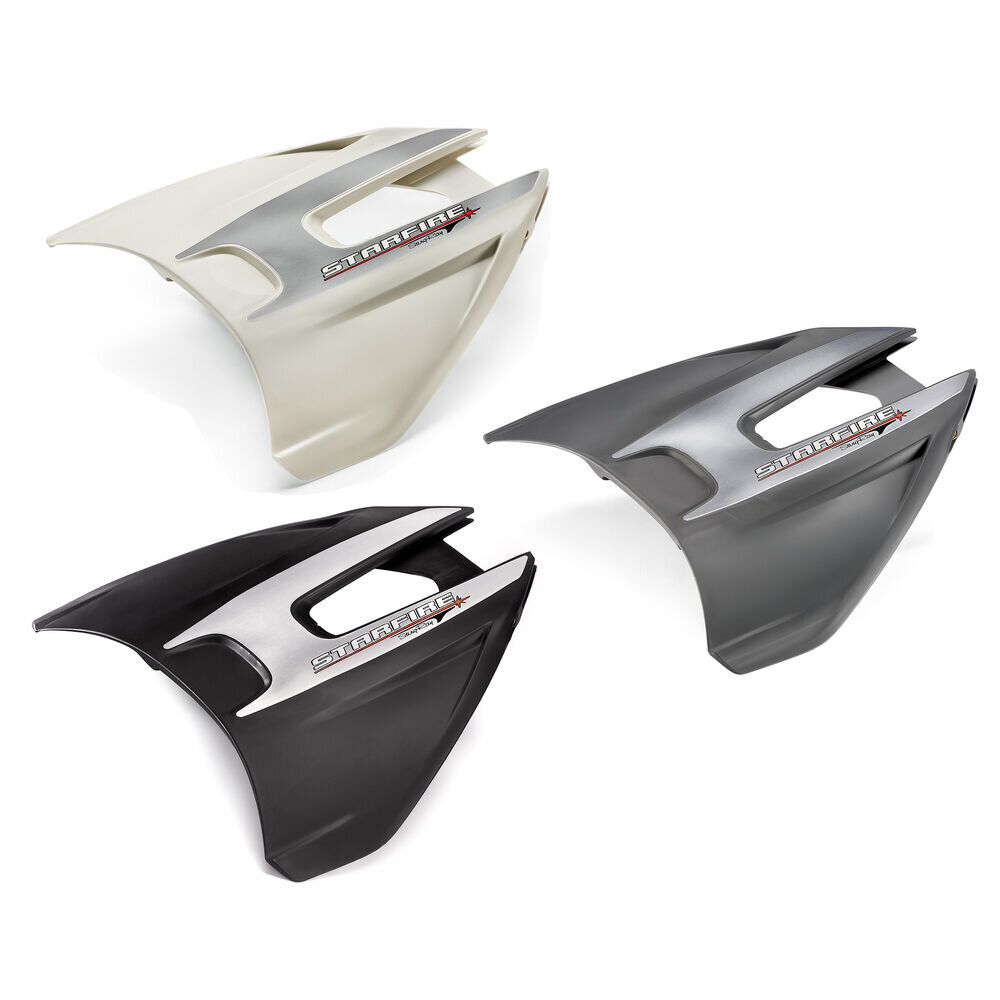
Engineered for Performance.
Romo has developed proprietary base materials, inks, and coatings that bond directly with polypropylene during the molding process.
The result is a finished product with graphics that are fully integrated—not applied afterward.
Why Choose In-Mold Labeling?
Eliminate secondary decorating processes
No adhesive decals
No hot stamping
No heat transfer
No pad printing
Achieve true one-step production
Decoration happens during molding
Faster, more efficient manufacturing
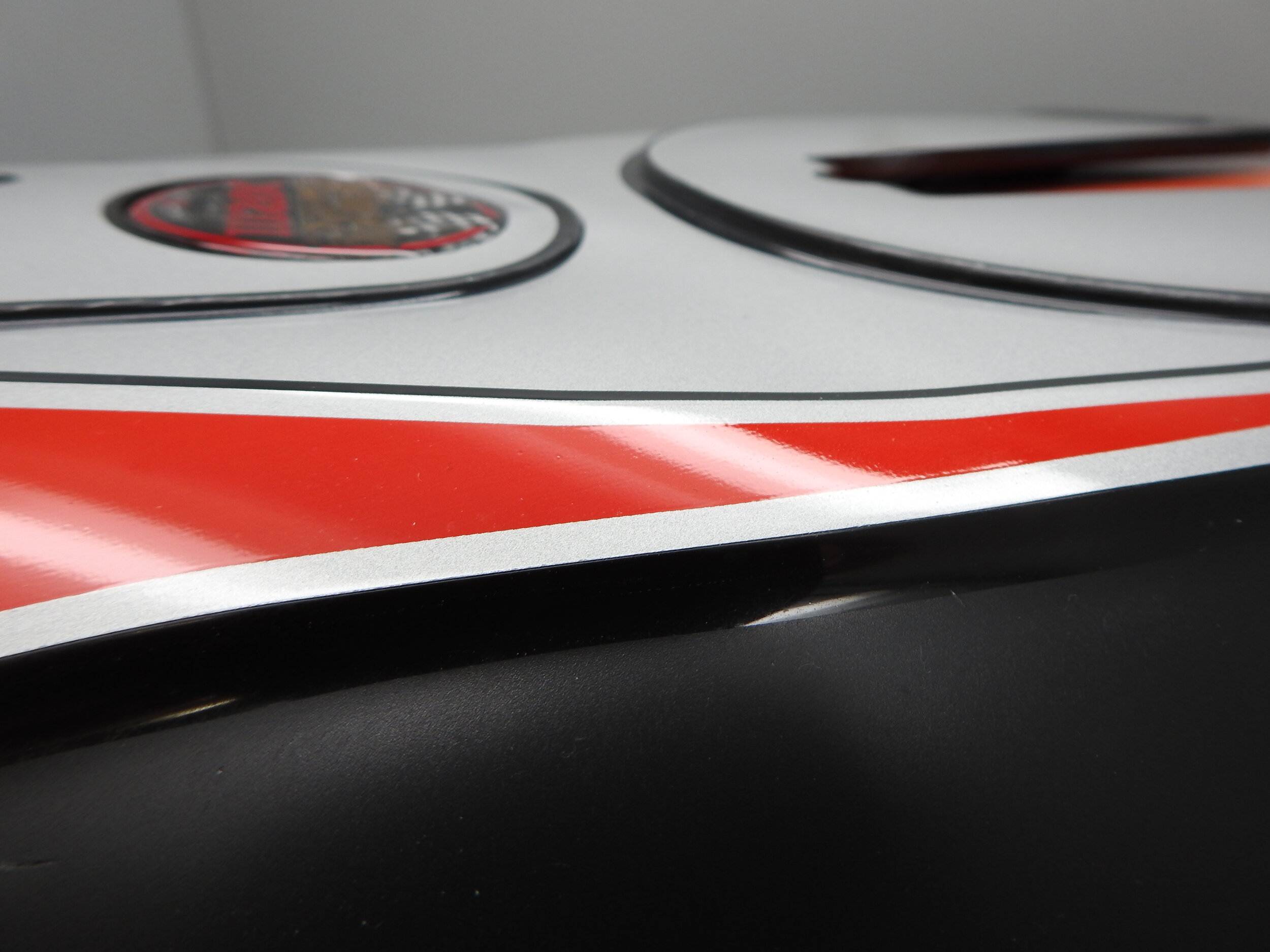
Create a flush, seamless finish
No label edges or raised profiles
No risk of peeling or lifting
Maximize durability
Graphics are fused into the resin
Resistant to wear, moisture, chemicals, and harsh environments
A Better Way to Brand Durable Products.
In-mold labeling isn’t just decoration—it’s integration.
It enhances durability, simplifies production, and delivers a premium, long-lasting appearance that stands up to real-world use.
Invest once. Benefit for the life of the product.

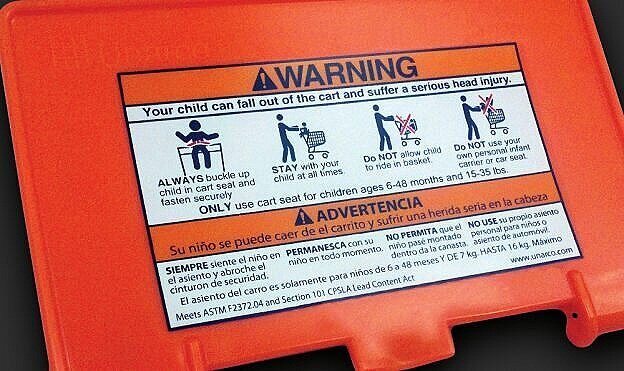
The In-Mold Decorating Process
In-mold decorating (IMD) is a precision technique where a pre-printed label is placed directly into a mold before molten plastic is injected. As the plastic forms, it permanently bonds with the label—creating a fully integrated, high-quality finish.
How It Works
Label Preparation
Labels are printed on specialized materials designed to match the plastic being molded, typically ranging from 5 to 15 mils in thickness.Label Placement
An automated end-of-arm tool inserts the label into the mold cavity. The label is engineered to conform precisely to the shape of the finished part.Securing the Label
Vacuum ports or electrostatic charge hold the label securely in position during molding.Injection & Bonding
Molten plastic is injected into the mold, bonding seamlessly with the label to create a durable, integrated surface.
Designed for Precision and Quality
Flat surfaces are the easiest to decorate and allow for the highest image quality. However, advanced techniques and material engineering also make it possible to decorate more complex shapes with precision.
Compatible Manufacturing Processes
While injection molding is the most common application for IMD, the process is also used in:
Thermoforming
Blow molding (note: Romo does not currently offer a blow molding solution)
Beyond Packaging: Industrial Applications
Although in-mold labeling is often associated with food packaging, its benefits extend far beyond.
In more demanding applications—such as technical and industrial products—the process is often referred to as In-Mold Decoration (IMD). It provides a durable, long-lasting way to label and enhance plastic components without the need for secondary processes.
Built-In Performance
Because the graphic is fused directly into the product during manufacturing, IMD delivers:
Exceptional durability
Resistance to wear, moisture, and chemicals
A seamless, no-edge finish
Consistent, high-quality branding
In-mold decorating isn’t just a process—it’s a smarter way to combine manufacturing and branding into a single, efficient step.
Continue Exploring
There’s more on our blog - here are some featured related posts:





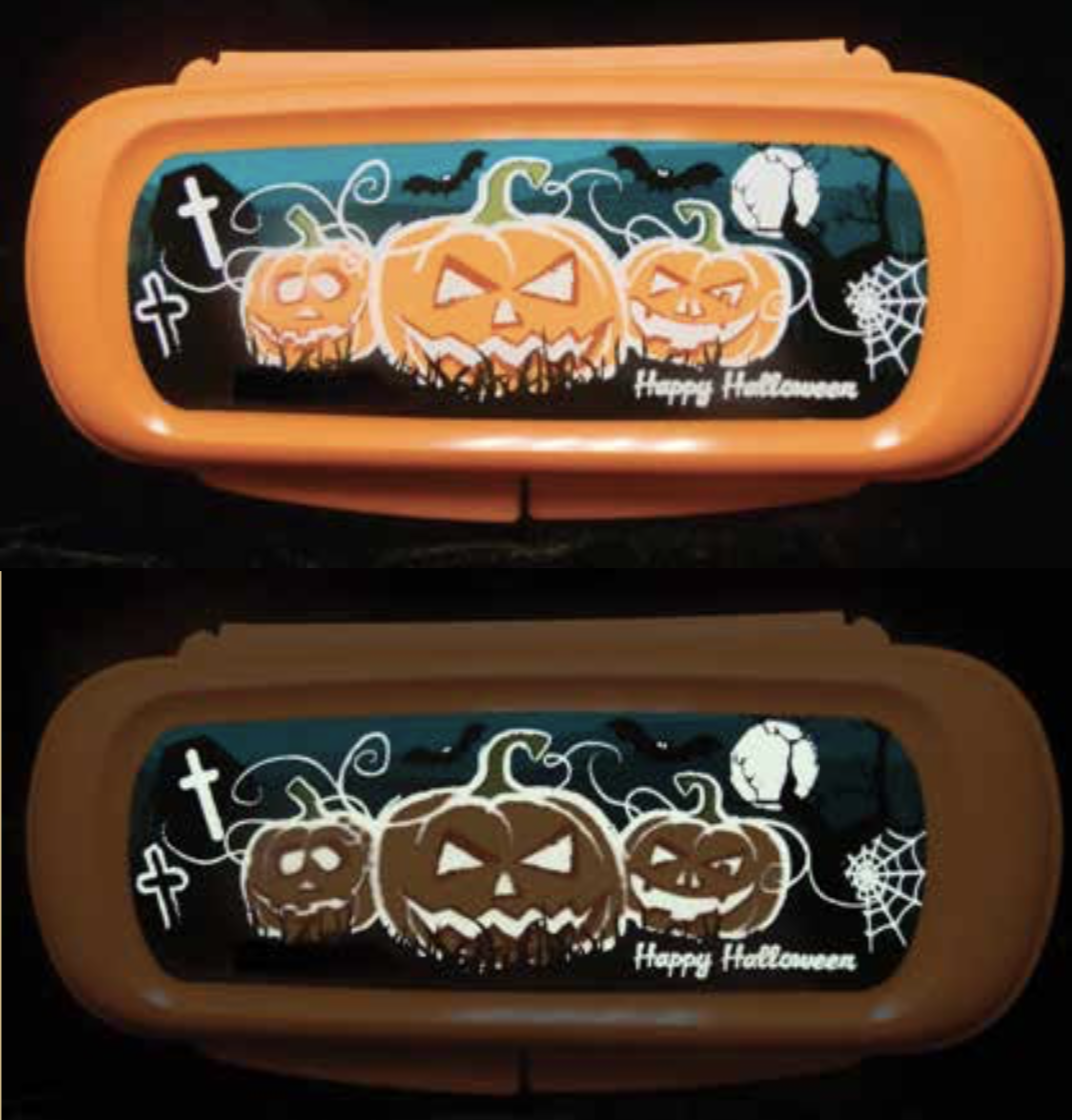
A Tupperware container made using glow in the dark ink.
The possibilities are limited only by our imagination.
Want to know how in-mold decorating happens?
Watch the process in action.
Xenon accelerated testing helps Romo identifying potential label and ink degradation issues early—reducing the risk of costly field failures and ensuring our customers receive products built to perform for years to come.