Preventing field failures is at the core of Romo's quality mission.
The process starts long before production. By gathering detailed project requirements at inception, our Research & Development team can engineer, test, and validate.
Every week, the Romo R&D Lab receives new projects with unique performance requirements. One expectation remains constant: long-term durability. The challenge is determining how a product will perform after years of exposure without waiting years for the answer.
It starts with sourcing high-quality materials and using automotive-grade inks designed to withstand demanding environments. From there, we do accelerated weathering testing using a Xenon Chamber.
Think of it as controlled time travel for product durability.
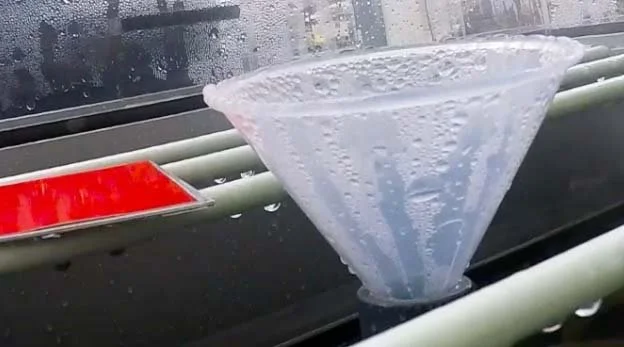
Xenon testing is a laboratory method that evaluates how inks, coatings, laminates, and adhesives withstand sunlight, moisture, temperature fluctuations, and weather over time. The chamber recreates real-world environmental conditions at an accelerated rate, allowing us to simulate years of exposure in just a few months.
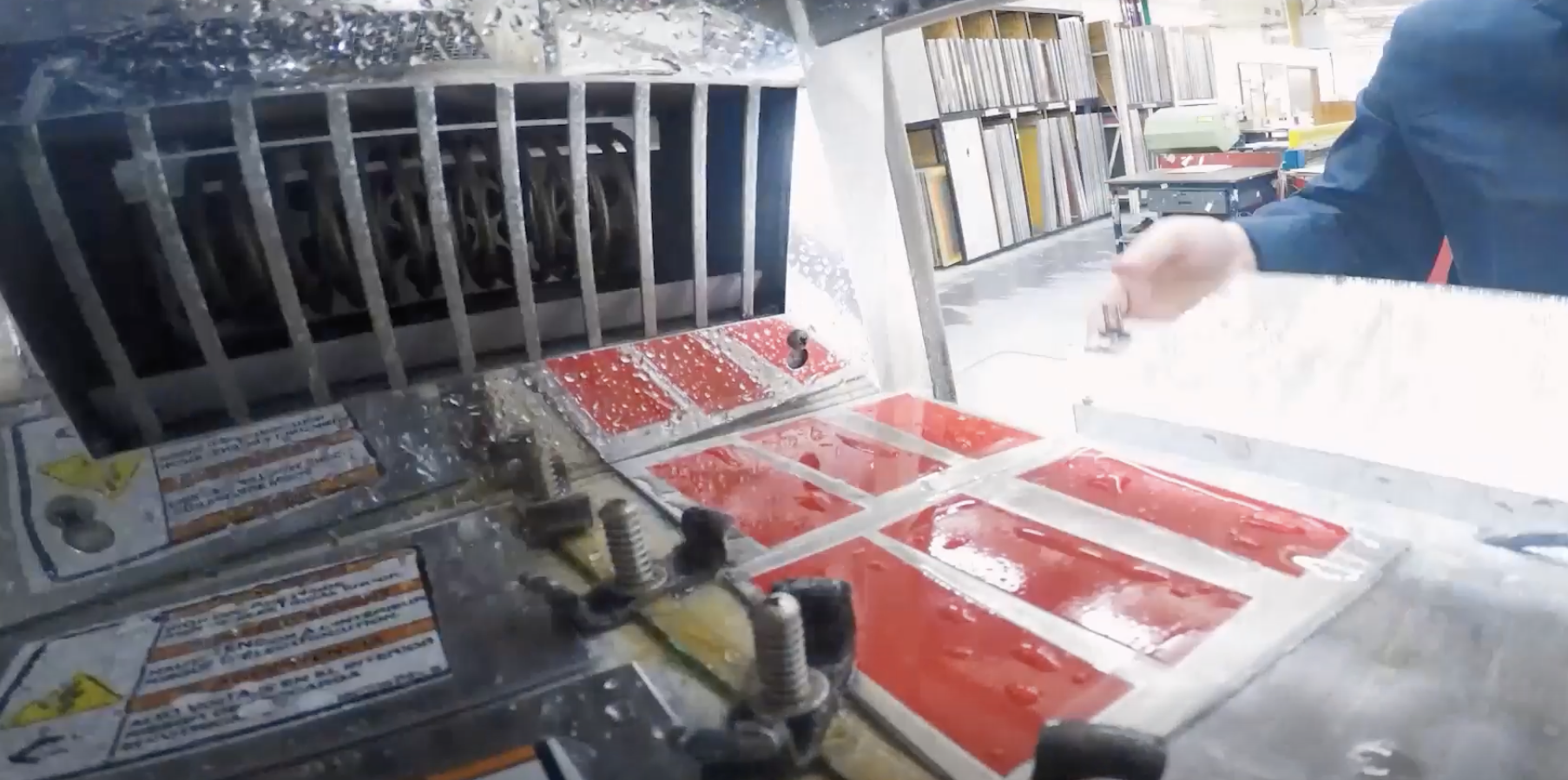
Testing is performed under controlled, standardized conditions, including ASTM methods, to ensure accurate, repeatable results.
What Xenon Testing Simulates
Years of outdoor exposure in a compressed timeframe
Full-spectrum sunlight, including UV, visible light, and infrared
Temperature and humidity fluctuations
Moisture and rain cycles
What We're Looking For
The R&D team uses Xenon testing to identify potential failures before a product reaches the field, including:
Color fading
Cracking
Discoloration or yellowing
Loss of adhesive performance
Delamination
Material degradation
The insights gained through Xenon testing allow us to refine designs, optimize material selections, and improve overall durability before products ever reach the market.
The result is faster development, greater confidence in long-term performance, and lower overall product costs.
Most importantly, accelerated testing helps us identify issues early—reducing the risk of costly field failures and ensuring our customers receive products built to perform for years to come.