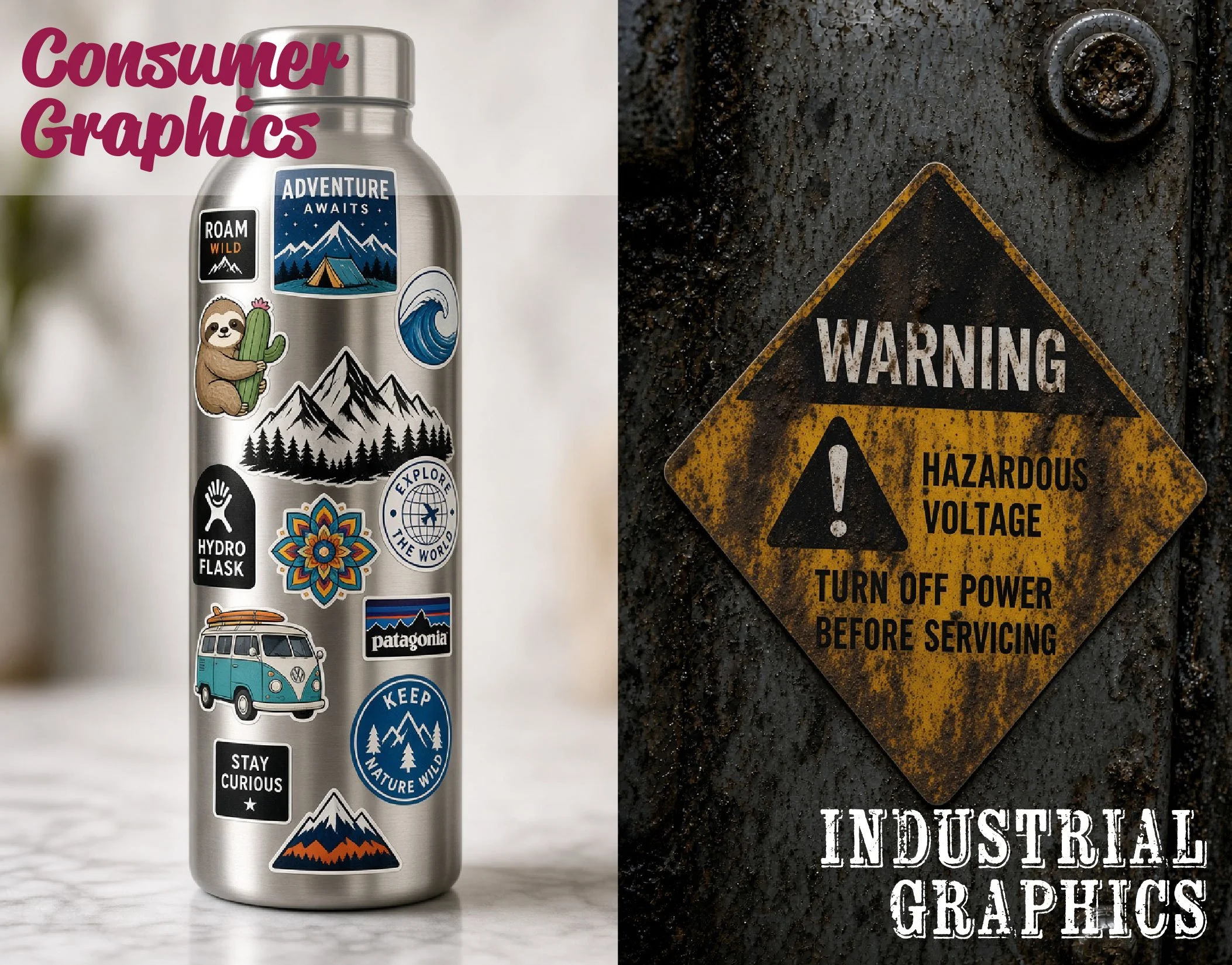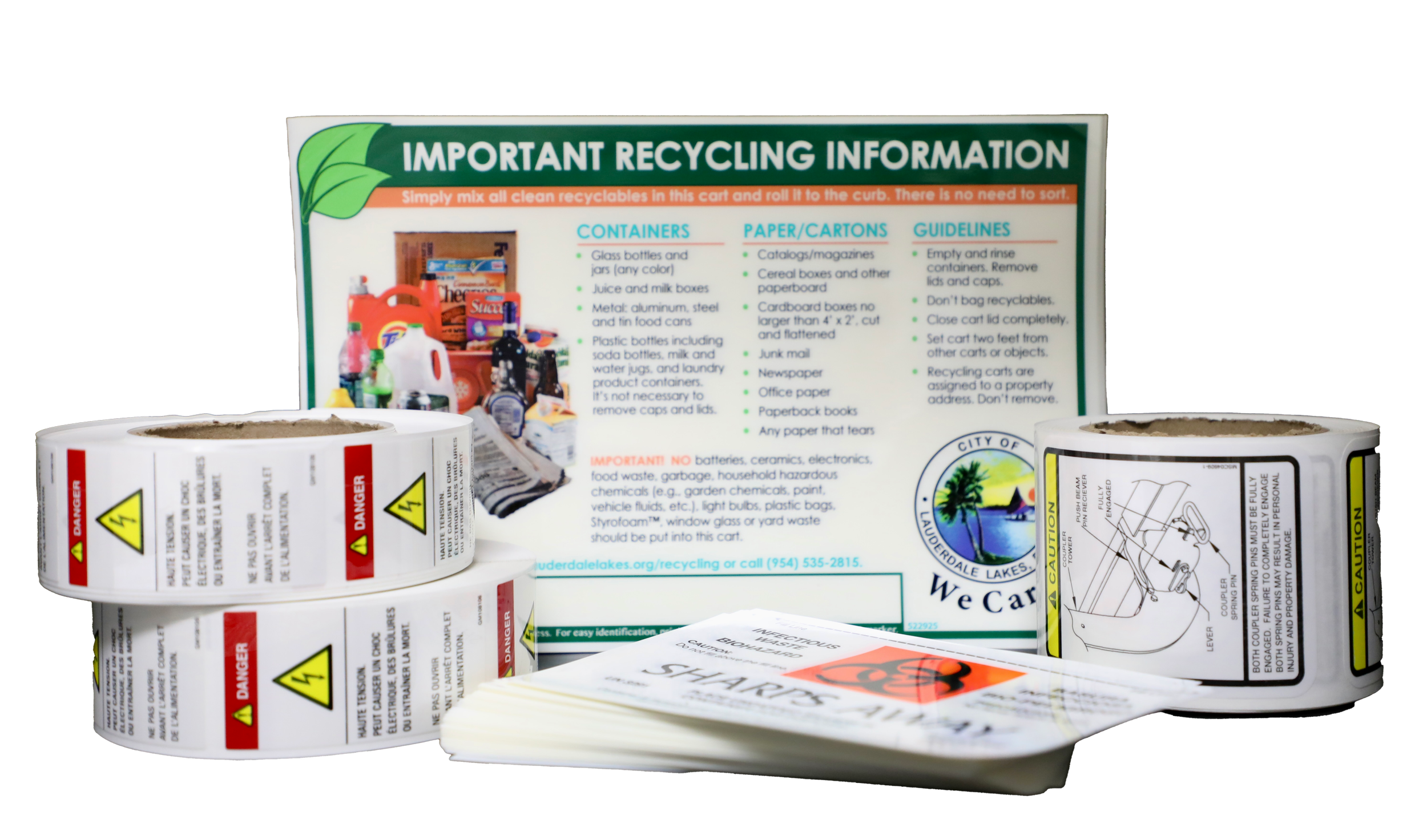

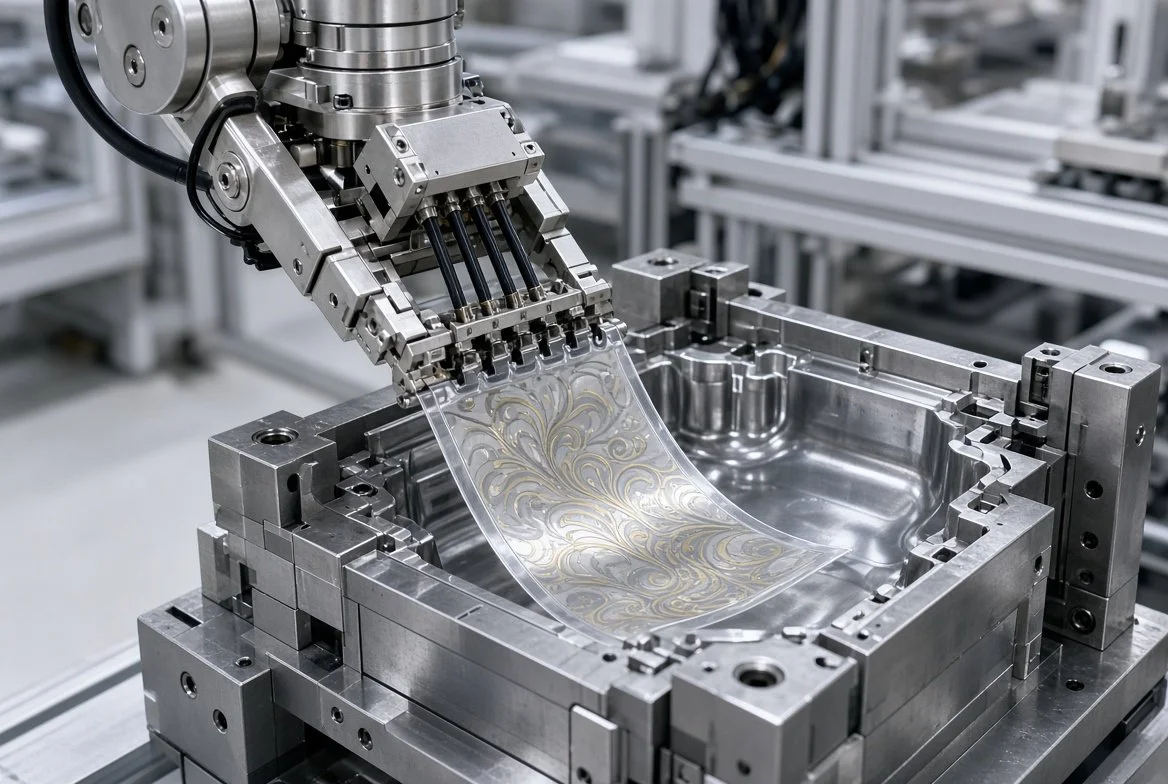
Not all in-mold labels are created equal. Construction depends on how and where the finished product will be used. Before recommending a solution, we work to understand your application's performance requirements.
Romo Durable Graphics makes pressure-sensitive and in-mold decals for durable applications. We provide value through outcomes that increase profitability.
Not all in-mold labels are created equal. Construction depends on how and where the finished product will be used. Before recommending a solution, we work to understand your application's performance requirements.
Selecting a lower-cost graphic for an industrial application can create costs that far exceed the original savings. And the unthinkable could happen. The reality is simple: replacing failed graphics in the field is always more expensive than getting it right from the start.
Decal storage questions? Romo Durable Graphics has guidelines for ideal storage conditions.
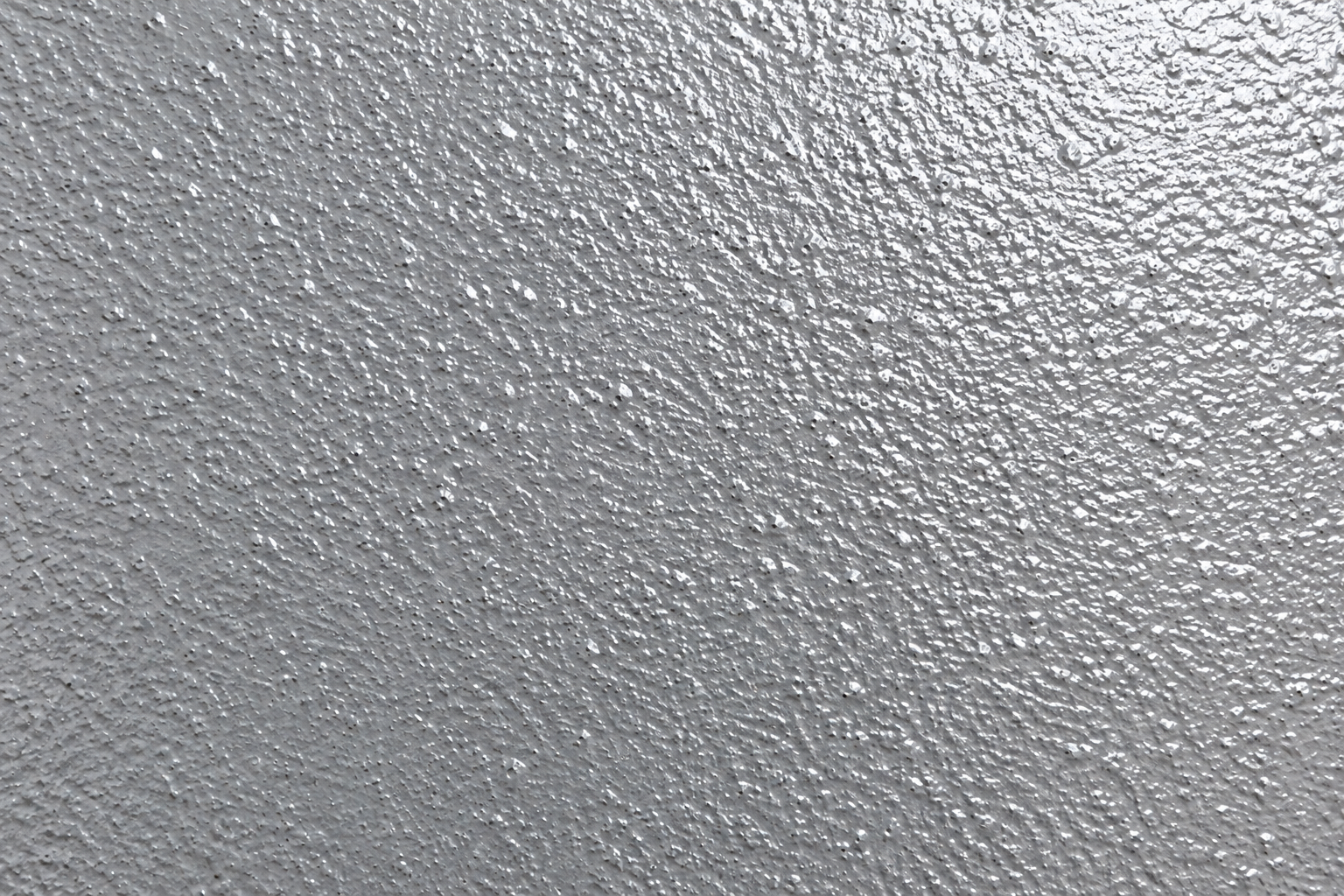
One of the most common mistakes in graphic construction is choosing materials before fully understanding the application surface. Every surface behaves differently. Texture, coating type, surface energy, and environmental exposure all influence how a graphic will perform over time.
Before selecting films, adhesives, or protective layers, start by evaluating the conditions the graphic will live.
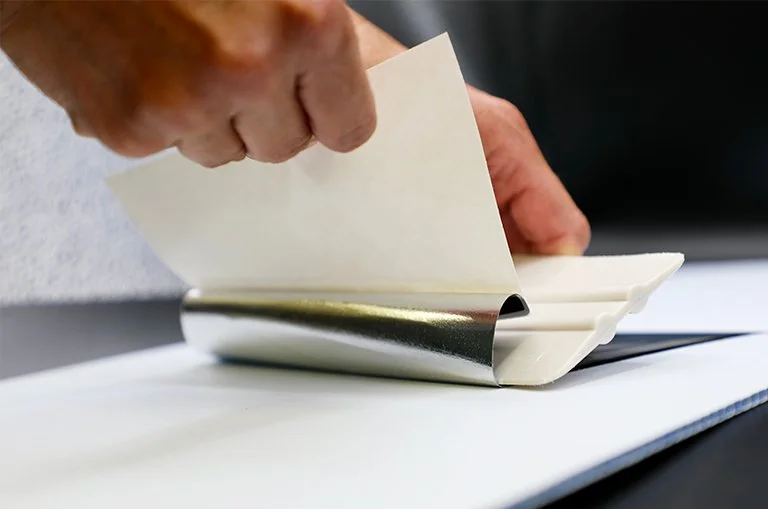
At Romo Durable Graphics, we know that durability starts long before the decal is installed. It starts with matching the right adhesive to the application.
When bad things happen and labeling requires rework, who pays for it? Manufacturing does! It’s measured in time wasted and additional product. And if it fails in the field, the price just doubled. Avoid all the headache and trust a proven supplier – Romo Durable Graphics.
Xenon accelerated testing helps Romo identifying potential label and ink degradation issues early—reducing the risk of costly field failures and ensuring our customers receive products built to perform for years to come.
What’s the difference between surface printed or subsurface printed graphics?
The answer depends on where the decal will live, how it will be used, and what it needs to withstand over time.
Ink types, density and layering can dramatically impact durability. Dyes and pigment performance couldn’t be more different. Want to learn how?