Romo Durable Graphics is the Best Warning Label Supplier for Industrial Equipment
And here’s why.
Romo takes a 365 Degree approach to quoting decals reviewing blueprint specs, performance requirements, and cost savings. We look at every angle for superior results and less headaches down the road.
Step 1: Start with the Surface
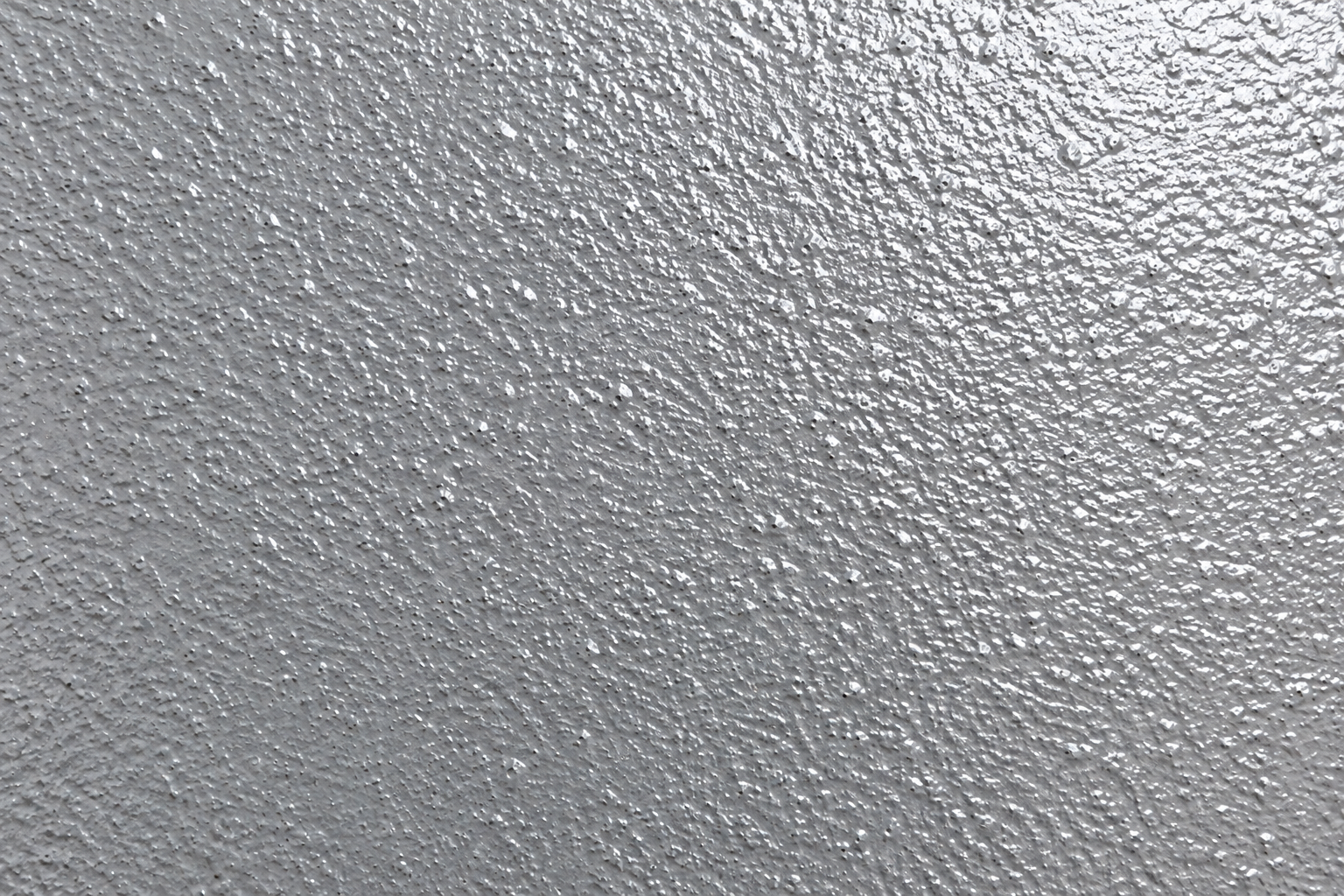
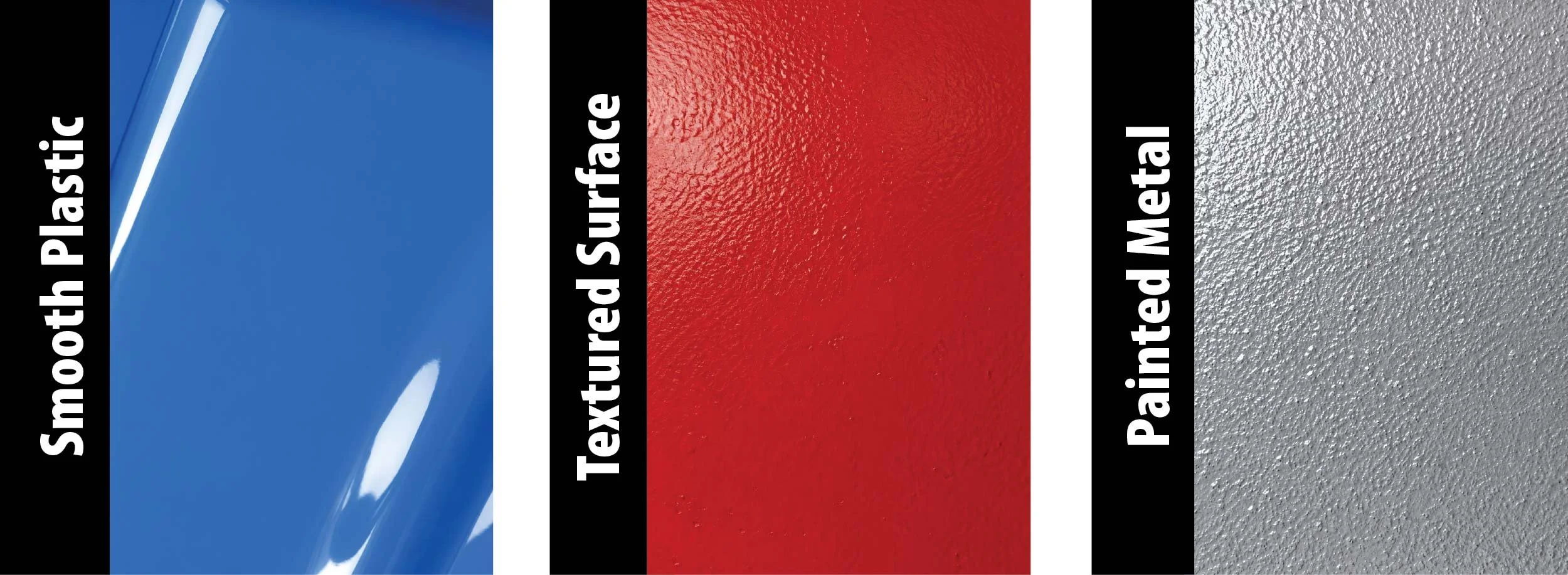
One of the most common mistakes in graphic construction is choosing materials before fully understanding the application surface. Every surface behaves differently. Texture, coating type, surface energy, and environmental exposure all influence how a graphic will perform over time.
Before selecting material and adhesives, we start evaluate the surface the graphic is applied to.
Step 2: Match the Adhesive to the Surface
Adhesive is the most critical part of the construction. For example, textured powder-coated surfaces contain microscopic peaks and valleys. To achieve a strong bond, the adhesive must flow into those areas and establish complete contact.
When the adhesive isn't properly matched to the surface, it may result in:
Air gaps
Incomplete wet-out
Edge lifting
Moisture intrusion
The more texture…the thicker the adhesive needs to be.
Step 3: Film for the Environment
Material Typical Outdoor Performance
Economy Vinyl 1-3 Years
Premium Vinyl 5-8 Years
Polyester 5-10+ Years
Cast Vinyl 7-10+ Years
The best material isn't always the most expensive. It's the one that aligns with the application's performance requirements.
Step 4: Protect from UV Exposure
UV protection is the most overlooked aspects of durability. Without adequate protection colors fade, graphics lose impact, and critical information becomes difficult to read.
UV-Resistant Protection Options:
✓ Automobile-grade inks provide the first line of defense against color fading
✓ Protective clearcoat adds an additional layer of resistance
✓ Overlaminates deliver the highest level of protection against UV exposure, chemical attack, and abrasion
For graphics exposed to harsh outdoor environments, protection is just as important as the film itself.
Step 5: Design for Durability
Artwork design also play a role in long-term performance. Good design supports good engineering!
✓ Use rounded corners
✓ Keep critical text away from edges
✓ Use high-contrast color combinations
✓ Increase barcode quiet zones
✓ Minimize unnecessary die-cut complexity
Step 6: Validate Through Testing
One of the biggest mistakes OEMs make is relying on material datasheets alone. Actual performance depends on a combination of factors, including:
Surface characteristics
Application methods
Environmental conditions
Decal construction design
The longest-lasting graphics aren't created by selecting the most expensive material, they're created by engineering the entire construction.
Surface + Adhesive + Film + Ink + Protection + Validation Testing
When these elements work together, achieving 5+ years of outdoor performance becomes predictable, repeatable, and reliable.
That's the difference between hoping a graphic will last and engineering it to last.